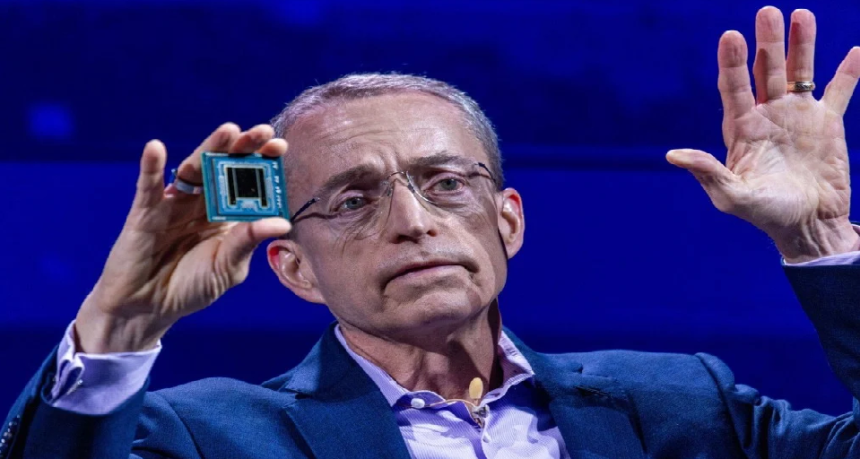
Pat Gelsinger took the reins as Intel CEO three years ago with hopes of reviving the American industrial icon. He soon made a big mistake.
Intel had a sweet deal going with Taiwan’s TSMC, the giant manufacturer of semiconductors for other companies. TSMC would make chips that Intel designed but could not produce. And it was offering deep discounts to Intel, say four people with knowledge of the agreement.
Instead of nurturing the relationship, Gelsinger, who hopes to restore Intel’s own manufacturing prowess, offended TSMC by calling out Taiwan’s precarious relations with China. “You don’t want all of your eggs in the basket of a Taiwan fab,” he said in May 2021, using industry jargon for a chip fabrication plant. That December, encouraging U.S. investment in U.S. chipmakers, he said at a tech conference: “Taiwan is not a stable place.”
In public, TSMC downplayed the comments, with its founder calling Gelsinger “a bit rude.” Privately, TSMC said it would no longer honor the discount, the sources said: about 40% off the $23,000, 3-nanometer wafers on which TSMC would print chips for Intel. Intel had to pay full price, shrinking its profit margin on the deal.

Asked about the previously unreported episode, Intel said TSMC is an important partner with which it has a “healthy business relationship today.” TSMC told Reuters Intel is an important customer.
Gelsinger’s affront to Taiwan was part of a series of missteps during his time as Intel CEO. He inherited a troubled company that had lost its edge in manufacturing skills and had ceded to rivals the hugely lucrative markets for chips used in mobile phones and artificial intelligence. But Gelsinger compounded those problems.
This account of his rocky tenure is based on interviews with about four dozen current and former Intel employees and executives, as well as internal company videos, supplier documents and regulatory records.
Gelsinger set sky-high expectations for Intel’s manufacturing and AI capabilities among major clients but fell short, losing or canceling contracts or unable to deliver the promised products. He issued optimistic public projections for AI-chip deals that were far higher than Intel’s own internal sales forecasts, company insiders say.
And like TSMC, Gelsinger sought to transform Intel into a “foundry,” an operation that makes chips designed by other companies. But Intel’s efforts to regain manufacturing leadership with a chip-production process called 18A have faced delays and technical problems, with some customers so far declining to use it.
Intel declined to make Gelsinger available for an interview.
“Pat is leading one of the largest, boldest and most consequential corporate turnarounds in American business history,” Intel said in a statement. “3.5 years into the journey, we have made immense progress – and we’re going to finish the job.”
Intel’s revenue shriveled to $54 billion in 2023, down nearly one-third from the year Gelsinger took over. Analysts expect Intel to lose $3.68 billion this year, its first annual net loss since 1986. Its shares closed at $22.92 on Monday, off 66% from a peak hit in Gelsinger’s first months as CEO.
The crash in Intel’s share price has sparked takeover interest, Reuters has reported. Intel has vowed to restructure and to cut more than 15,000 jobs.
Intel said it won’t let merger speculation distract it from executing its five-year turnaround plan. Under Gelsinger, Intel said, it has revamped its operations, secured up to $45 billion in U.S. support, led the market for AI PC chips, and “achieved a historic pace” of innovation.
Intel told Reuters its 18A fabrication technologies are yielding good-quality chips and that it “expects to return to process leadership in 2025” with their formal launch. The company said it objects to the “usage of rumors, leaked materials, half-truths and interviews based on the widest net that can be cast for ‘sources’ to gain negative commentary on Intel.”
Customers have little incentive to bet on Intel’s manufacturing when TSMC continues to serve them well, said Goldman Sachs analyst Toshiya Hari. “If you care about performance today, tomorrow, next year, over the next couple of years, you are not making that bet,” Hari said.