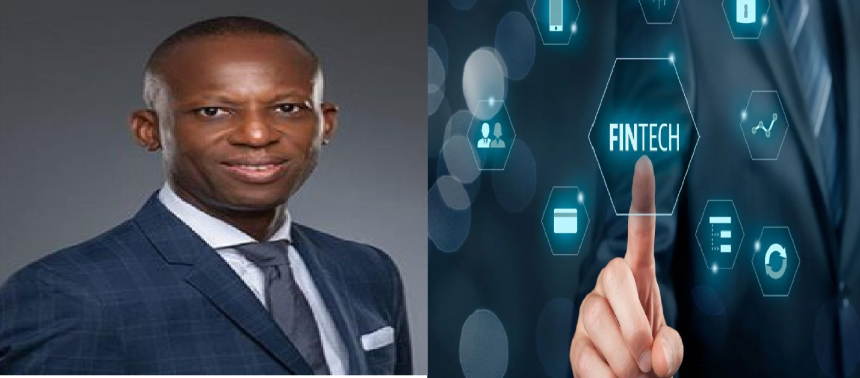
The Nigeria Financial Technology (Fintech) industry must strive to plug the holes of infrastructure deficit and other challenges with increased investments. This is the view of the President of FinTech Nigeria (FintechNGR), the umbrella body for financial technology services providers in Nigeria, Mr. Ade Bajomo, in his opening remarks at the 7th Nigeria Fintech Week in Lagos.
In addition, he noted the need for regulators who foster a supportive environment for innovation; and more importantly, the need for a generation of talented fintech entrepreneurs who are passionate about making a difference.
This is coming against the backdrop of dwindling investments in Fintechs in the continent. Mr. Ade Bajomo, quoting an Elevandi report in the first half of 202: “investments in the fintech sector in Africa declined significantly, dropping 77% to US$186 million from US$826 million in 1H 2023. The number of deals decreased 30% year-on-year and average deal size fell to US$4 million in 1H 2024 from US$10.5 million in 1H 2023.
“Nigeria, Cote d’Ivoire, and South Africa remained the primary recipients of FinTech funding, with their combined contribution of 76% in Q2 2024”.

According to him: “As an industry, we still have several growth opportunities and must up the game in identifying and delivering these, diversifying from payments which have and continue to play a critical role in driving financial inclusion, into broader areas where technology can drive inclusive growth such as InsureTech, InvestTech, AgriTech, EdTech and HealthTech to name a few.
“Of course, with great opportunity comes great responsibility. Challenges posed by inadequate infrastructure, such as limited internet connectivity and unreliable power supply, the need for skilled talent in the fintech industry, exponential rate of increase in electronic fraud (N43bn in Q2 2024), identity theft and with 40 million Nigerians (and 350 million Africans) still financially excluded leave numerous opportunities for our ecosystem to exploit for inclusive growth. Imagine the resulting socio-economic upside of resolving these challenges?
“Though we are facing a period of investment drought and cost of living challenges, we must stay focused on our goals to leverage fintech as a tool for socio-economic development and exploit every opportunity that innovation, technology and leadership can deliver to improve governance, processes, and scale.
“As Peter Drucker said, results are gained by exploiting opportunities. The time is here to exploit the opportunities of the moment and gain the thrust to drive the growth of our fintech ecosystem.
“At FinTechNGR, we have and will continue to play our part in connecting, accelerating the growth of and advocating for Fintechs.”
He further highlighted areas of engagement to include deepening relationships with regulators to co-develop policies and address issues that impact the Fintech ecosystem pro-actively; enhancement of its feedback system to understand how best to assist members with regulators and advocate for them as appropriate; and driving the adoption of the Fintech Certification Program, which was developed in collaboration with the Chartered Institute of Bankers in October 2023 to address the acute skills gap in the ecosystem and strengthen governance structures.